The Hidden ROI of Hospitality Interior Design

How strategic interiors can shape perception, support operations, strengthen positioning, and create long-term value for hospitality properties.

Hospitality design is often seen as a visual investment.
New furniture. New finishes. Better lighting. A lobby that feels more current. Guestrooms that photograph better. A restaurant that looks more aligned with the brand.
Those things matter, but they are only part of the return.
The deeper value of hospitality interior design is often less obvious at first. It is found in how a guest feels when they arrive, how easily staff can do their work, how confidently a property can position itself, and how well the space continues to perform after the initial reveal.
Good design is not only about making a hotel look better.
It is about helping a hotel work better.
ROI Begins With Perception.
Before a guest experiences the bed, the service, or the food, they have already formed an impression.
They form it through photography, the booking page, the lobby arrival, the lighting, the materials, the scent, the sound, the way the space feels when they step inside. These early moments shape how a guest understands value.
This is where design begins to influence ROI.
A guest may not know the cost of the renovation. They may not know the reasoning behind the finish selections, the furniture plan, or the lighting strategy. But they know whether the hotel feels worth the rate.
That perception is powerful.
When a property feels intentional, current, comfortable, and aligned with its market, it becomes easier for a guest to understand why it costs what it costs. The space gives the rate context. It supports the promise being made online. It tells the guest, before anyone says a word, that care has been taken.
A beautiful room can attract attention, but a considered room builds confidence. That confidence affects how guests book, how they review, how they photograph, how they recommend, and whether they return.

Design Can Support Rate Confidence.
One of the most important returns on hospitality design is the ability to support stronger positioning.
This does not always mean becoming more luxurious. It means becoming more clear.
A hotel needs to understand what it is, who it serves, and why someone should choose it. Design helps communicate that. It can make an independent property feel more distinct. It can make an older hotel feel relevant again. It can make a branded hotel feel less generic. It can help a restaurant, bar, lobby, or event space feel like an asset rather than an afterthought.
When design is aligned with the property’s goals, it gives owners and operators more confidence in how they present the hotel to the market.
A refreshed lobby can improve the arrival experience. A stronger guestroom concept can improve photography and booking confidence. A more atmospheric restaurant can encourage both guests and locals to stay longer. A better event space can support weddings, meetings, and private functions. A more memorable public area can create social sharing and word of mouth.
These are not just aesthetic wins. They are business opportunities.
Guest Experience Has Financial Impact.
Guests do not always remember every design detail, but they remember how a hotel made them feel.
They remember if arrival felt easy. They remember if the room felt calm. They remember if the lighting made it difficult to get ready. They remember if there was nowhere to put their luggage. They remember if the restaurant felt inviting or uncomfortable. They remember if the bathroom felt clean, thoughtful, and well maintained.
Those impressions often become reviews, recommendations, complaints, repeat bookings, or quiet decisions not to return.
This is why guest experience and financial performance are connected.
A well-designed hotel reduces friction. It anticipates needs before they become frustrations. It makes the guest journey feel more intuitive, from arrival to checkout. It supports the moments that shape satisfaction, even when guests cannot fully explain why the experience felt better.
In hospitality, value is rarely created by one dramatic gesture. It is created through a sequence of thoughtful decisions that make the stay feel easier, warmer, smoother, and more memorable.
A guest may book because of location or price. They return because of how the stay made them feel.

Staff Efficiency Is Part of the Return.
The ROI of design is not only guest-facing.
Some of the most important design decisions are felt by the staff first. A hotel can look beautiful to a guest while still creating daily challenges for the people who operate it. Poor storage, awkward circulation, difficult-to-clean finishes, inefficient service areas, and unclear layouts all affect how a team works.
Over time, these issues cost energy, time, and consistency.
A reception desk that does not support real tasks creates clutter and stress. A restaurant layout that ignores staff movement slows service. A guestroom that is difficult to maintain affects housekeeping efficiency. A lobby that creates congestion puts pressure on front desk teams before the guest experience has properly begun.
These details may not be visible on a mood board, but they are felt every day.
Design should support the people responsible for bringing hospitality to life. When staff can move efficiently, serve confidently, and work within a space that has been planned with their needs in mind, the guest experience becomes stronger.
Happy staff, happy hotel is not just a nice idea. It is an operational truth.
A space that supports the team supports the business.

Better Design Can Extend the Life of an Investment.
Hospitality interiors need to be beautiful, but they also need to last.
A hotel is not a private home. It is used constantly, by many people, in many different ways. Materials are touched, cleaned, moved around, spilled on, rolled over, leaned against, and photographed repeatedly. What looks good on day one also needs to make sense on day one thousand.
This is where thoughtful specification becomes part of ROI.
The right materials can reduce premature wear. The right furniture can support comfort and durability. The right lighting can improve atmosphere while reducing operational frustration. The right layouts can limit damage, congestion, and awkward use. The right design strategy can help a property avoid chasing trends that will feel tired too quickly.
A lower-cost decision is not always the more economical one.
A finish that needs to be replaced too soon, a chair that does not hold up, a layout that creates constant issues, or a design concept that dates quickly can all become more expensive over time.
Good hospitality design considers beauty, but it also considers use, maintenance, longevity, and replacement.
The return is not only in how the space opens. It is in how well it endures.
Design Helps a Property Tell a Stronger Story.
Hotels compete in crowded markets.
There is often another property with a similar location, a similar room type, a similar nightly rate, or a similar promise of comfort. Design helps define what makes one hotel feel different from another.
A strong design strategy gives the property a point of view.
It can connect the hotel to its location, history, guest profile, food and beverage concept, brand values, or future market position. It can make the space feel specific rather than interchangeable. It can create moments that guests remember and associate with that property alone.
This does not require overdesigning.
In fact, the strongest hospitality interiors often come from restraint. They know what story they are telling, and they do not try to say everything at once. They use materials, lighting, layout, artwork, texture, and atmosphere to create a clear emotional impression.
That clarity has value.
It helps guests understand the property. It gives marketing stronger content. It gives staff a more confident brand story. It gives owners a clearer position in the market. It gives the hotel something more meaningful than simply being updated.
A hotel with a clear story is easier to remember. A hotel that is easier to remember is easier to choose again.

The Return Is Not Always Immediate, But It Is Real.
Not every return from design appears instantly on a spreadsheet.
Some returns are direct. A refreshed restaurant may increase traffic. A stronger event space may attract more bookings. Better guestrooms may support rate confidence. Improved photography may help online conversion. More durable finishes may reduce future replacement costs.
Other returns are quieter.
A guest feels more comfortable. A staff member has an easier shift. A lobby becomes a place people actually use. A property begins to feel more aligned with its market. Reviews start to mention atmosphere, comfort, or care. Guests begin to photograph the space without being asked.
These returns are harder to isolate, but they matter.
Hospitality is built on both measurable performance and emotional memory. The strongest hotels understand that the two are connected. A guest’s feeling of comfort, trust, and value can influence how they spend, what they share, what they remember, and whether they return.
Design does not replace strong operations, service, management, or marketing. But it gives those things a stronger environment to work within.

Design Is an Investment in How a Hotel Performs.
The hidden ROI of hospitality interior design is not hidden because it is small.
It is hidden because it is layered.
It appears in the guest’s first impression, the staff’s daily workflow, the durability of materials, the confidence of the brand, the strength of photography, the usability of the room, the energy of the restaurant, the memory of the stay, and the decision to return.
A successful hotel interior should be beautiful, but beauty is only one measure of success.
The more valuable question is what that beauty is doing.
Is it helping the guest feel more at ease? Is it making the property more memorable? Is it supporting the rate? Is it improving operations? Is it reducing friction? Is it giving staff the tools to serve better? Is it helping the hotel stand apart in a competitive market?
When design is approached strategically, it becomes more than a cost.
It becomes part of the property’s long-term value. Because the return on hospitality design is not only found in how a hotel looks.
It is found in how well it works, how deeply it is felt, and how often it is chosen again.
Written by Jasmine Bentivoglio
Founder & Principal Designer, Designology
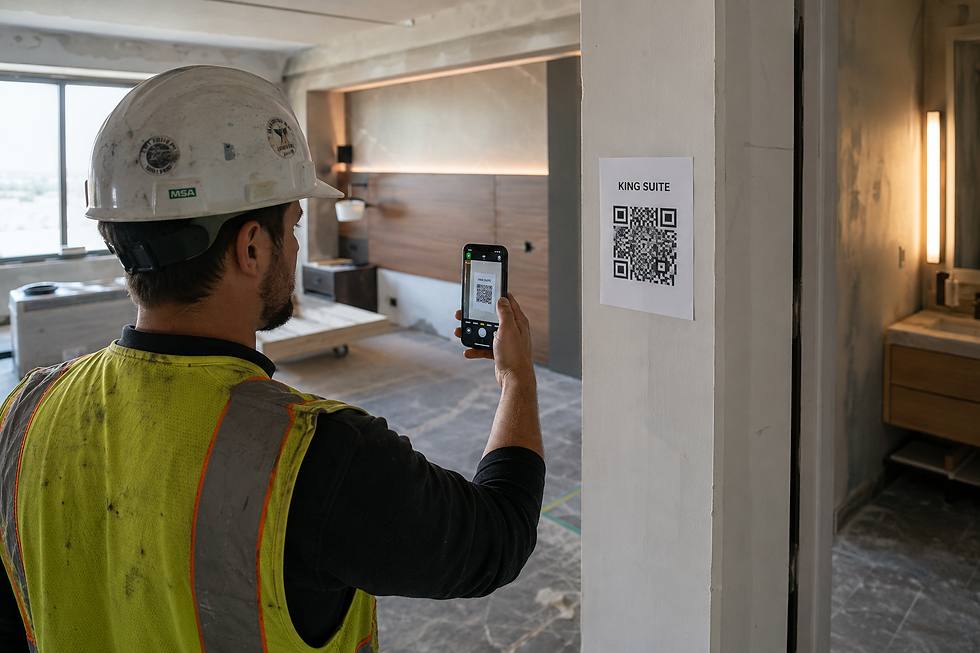
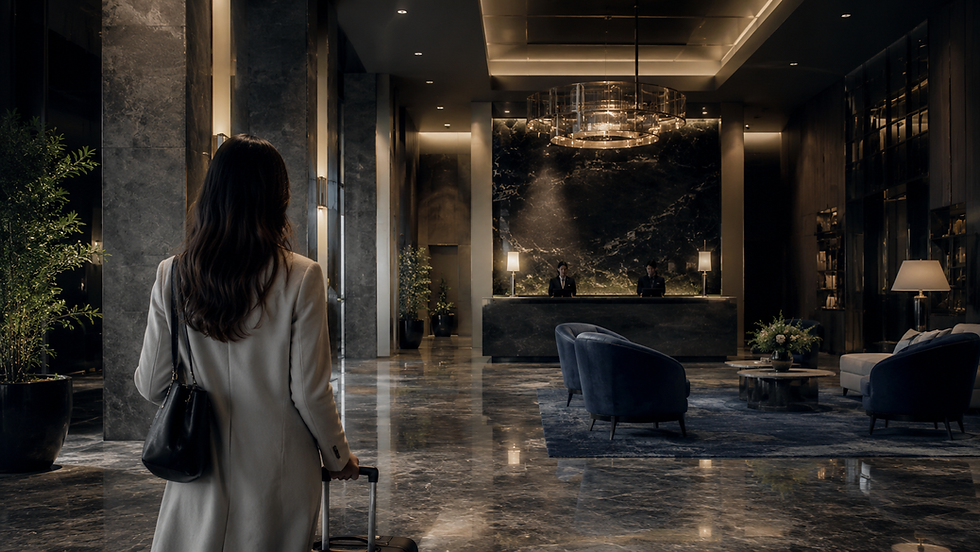
Conceptual imagery created for Designology Dispatch.