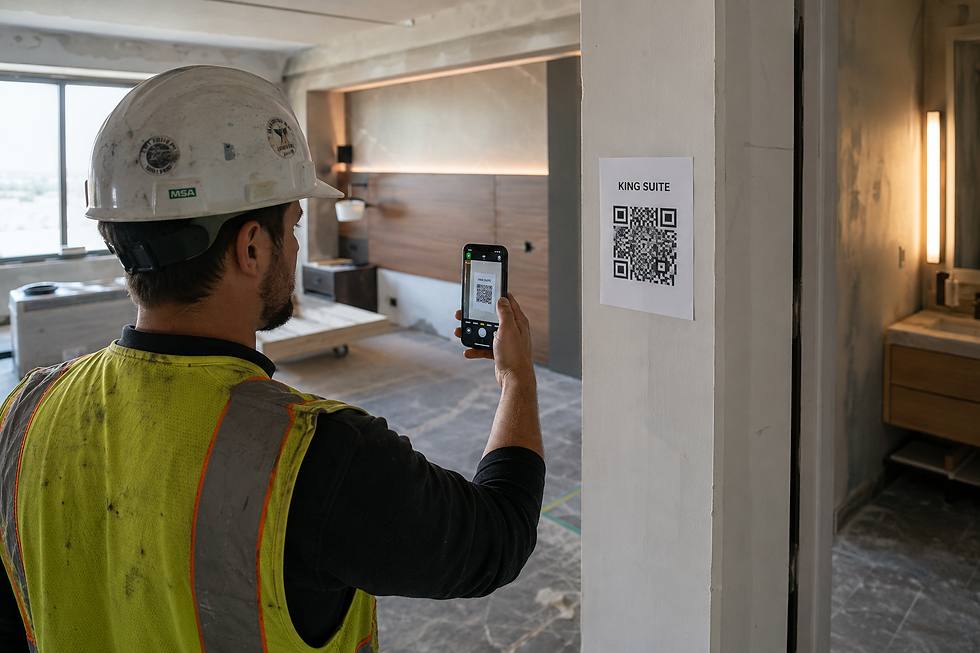
Your Hotel Doesn’t Need Another Trend. It Needs a Strategy.

Updated: Sep 14
The hospitality industry changes quickly, but a hotel renovation is a long-term investment.
Every year brings a new collection of hospitality design trends. Curved furniture. Organic shapes. Biophilic design. Moody interiors. Minimalism. Maximalism. Warm neutrals. The list goes on.
Trends can be inspiring, but they can also make it tempting to design a hotel around what looks current today rather than what will serve the property for years to come. A successful hotel needs a design strategy before it needs a trend.

Start With the Property
Every hotel has a story. Its location, architecture, history, guests, competitive set, brand, and price point all contribute to what the property should feel like.
A hotel in downtown Toronto has different opportunities from a resort in Muskoka. A limited-service property has different priorities from a luxury resort. An independent boutique hotel has different considerations from a branded property working within established standards.
The design should respond to those realities.
Know Your Guest
Who are you designing for? Business travelers may prioritize functionality, connectivity, and a comfortable workspace. Leisure guests may value relaxation, social spaces, local character, and memorable experiences.
Understanding the guest helps determine where design investment will have the greatest impact. When the guest is clear, design decisions become easier.
Consider the Competitive Set
Your hotel doesn't operate in isolation. Guests compare your property to other hotels before they ever arrive. They compare the room, the lobby, the amenities, the photographs, the experience, and ultimately the value they receive for the rate they are paying.
Design can help a property stand apart, but differentiation doesn't require being unusual for the sake of being unusual. Sometimes the strongest design decision is simply creating an experience that feels unmistakably yours.

Design for Longevity
A hotel renovation is a significant investment. The furniture, finishes, lighting, millwork, and other elements selected today may need to perform for years. That doesn't mean every hotel needs to be traditional or conservative.
It means trends should be considered alongside durability, maintenance, operational requirements, brand standards, and the property's long-term positioning. A design can feel current without feeling temporary.
Make the Design Work Harder
The best hospitality design serves several purposes at once. A lobby can welcome guests, support circulation, create opportunities for social interaction, reinforce the brand, and generate revenue. A guestroom can feel comfortable and memorable while also supporting housekeeping, durability, maintenance, and efficient operations.
A restaurant can create an atmosphere while also supporting the realities of service. When design is approached strategically, aesthetics become one part of a much larger equation.
So, What Should Your Hotel Look Like?
Before opening Pinterest or creating a mood board, start with better questions. Who are we trying to attract? What do we want guests to feel? How are we positioned in our market? What are our competitors doing? What does our brand stand for? Where can design create the greatest impact?
And perhaps most importantly: What does this property need to achieve? The answers should shape the design. Trends can provide inspiration. Strategy provides direction.
The Importance of Strategic Design
Strategic design is crucial in the hospitality industry. It not only enhances the guest experience but also ensures that the hotel remains competitive. A well-thought-out design can increase asset value and improve operational efficiency.
When you align your design with your business goals, you create a space that resonates with guests and meets their needs. This alignment is essential for long-term success.
Balancing Aesthetics and Functionality
In hospitality design, aesthetics and functionality must work hand in hand. A beautiful space is important, but it should also serve its purpose effectively. For instance, a lobby should be inviting but also facilitate smooth guest flow.
Guestrooms should be stylish yet practical, allowing for easy maintenance and comfort. By balancing these elements, you create a cohesive environment that enhances the overall guest experience.
Embracing Sustainability in Design
Sustainability is becoming increasingly important in the hospitality industry. Guests are more aware of their environmental impact and prefer hotels that reflect their values. Incorporating sustainable practices into your design can set your property apart.
Consider using eco-friendly materials, energy-efficient lighting, and water-saving fixtures. These choices not only appeal to environmentally conscious guests but can also reduce operational costs in the long run.
The Role of Technology in Hospitality Design
Technology plays a significant role in modern hospitality design. From smart room controls to mobile check-in, integrating technology can enhance the guest experience.
Consider how technology can streamline operations and improve guest satisfaction. For example, offering high-speed Wi-Fi, charging stations, and smart TVs can make a significant difference in how guests perceive your property.
Creating Memorable Experiences
Ultimately, the goal of hospitality design is to create memorable experiences. Guests should leave with lasting impressions that encourage them to return.
Think about how your design can evoke emotions and foster connections. Whether through unique decor, thoughtful layouts, or engaging spaces, every element should contribute to a memorable stay.
Conclusion: The Future of Hospitality Design
As the hospitality industry continues to evolve, so too must your approach to design. By focusing on strategy, sustainability, and technology, you can create spaces that not only meet current trends but also stand the test of time.
Remember, a hotel renovation is a long-term investment. By making informed design choices today, you can ensure your property remains relevant and successful for years to come.
Written by Jasmine Bentivoglio
Founder & Principal Designer, Designology
Conceptual Imagery created for Designology Dispatch